Sign In

Blog

Latest News

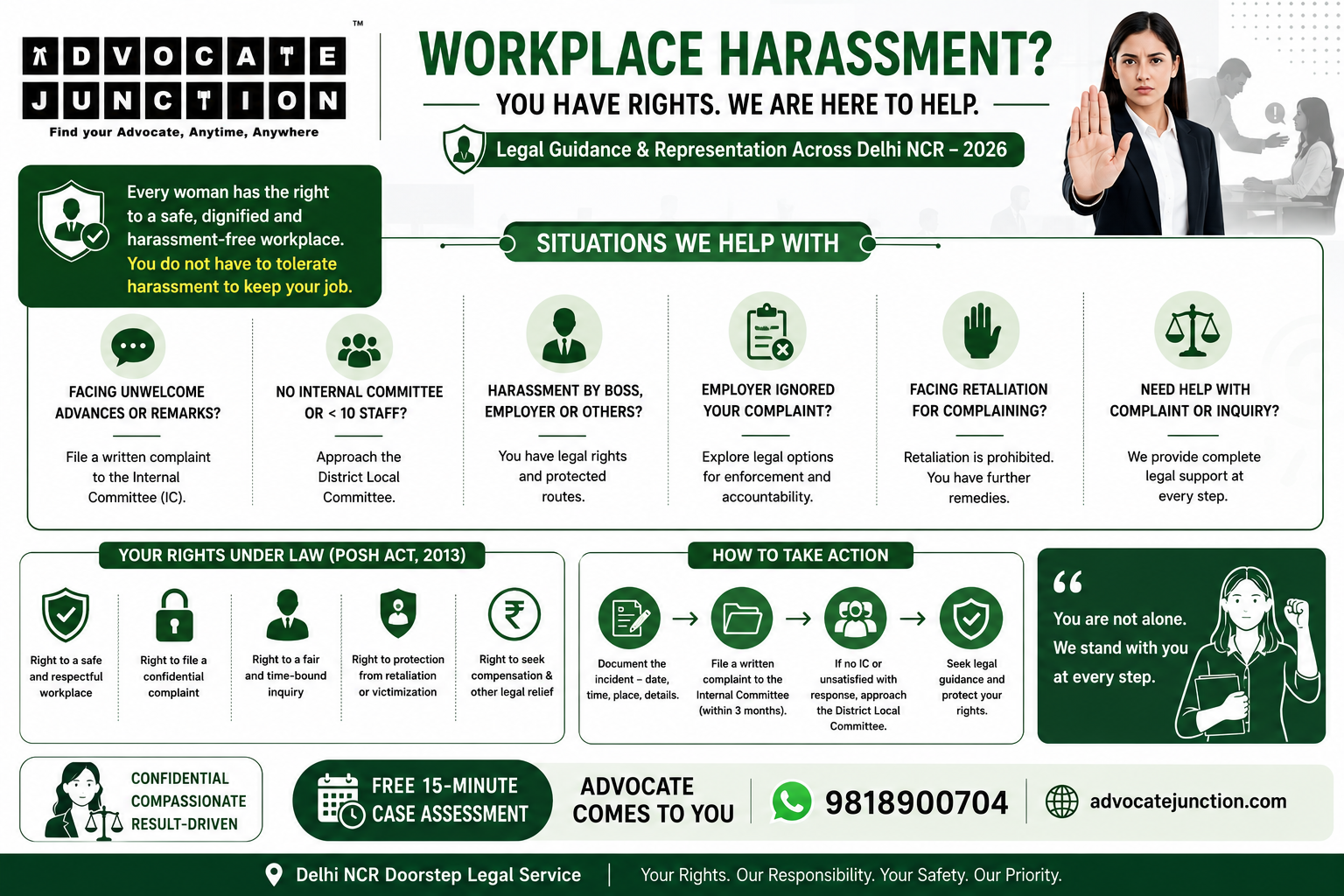
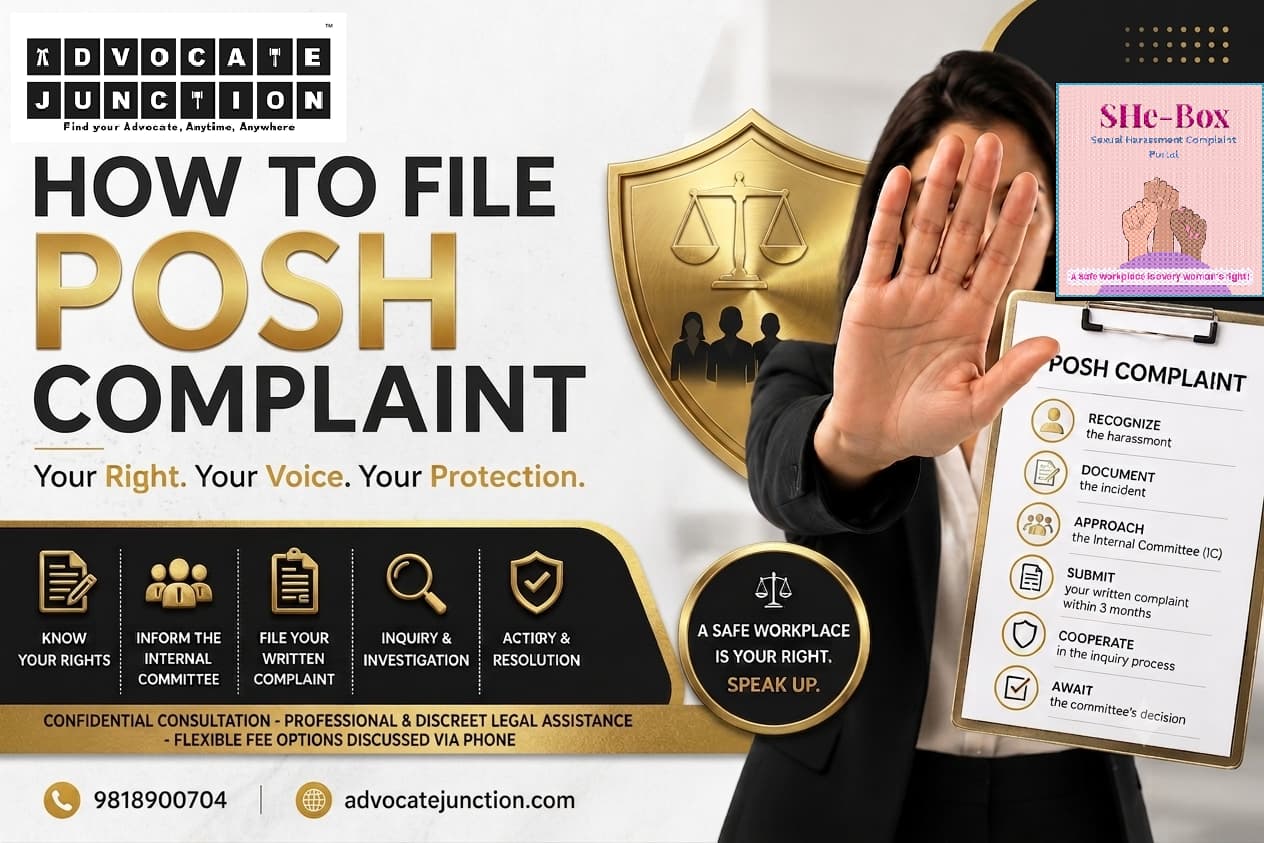
How to File a POSH Complaint: step-by-step guide to take action

Knowing how to file a POSH complaint — the exact steps, the timeline, the evidence — turns a situation that feels powerless into one where the law is clearly on your side. Recently we got a call from a lady who is now a days in Kolkata and she wanted to file a POSH complaint […]

Read More
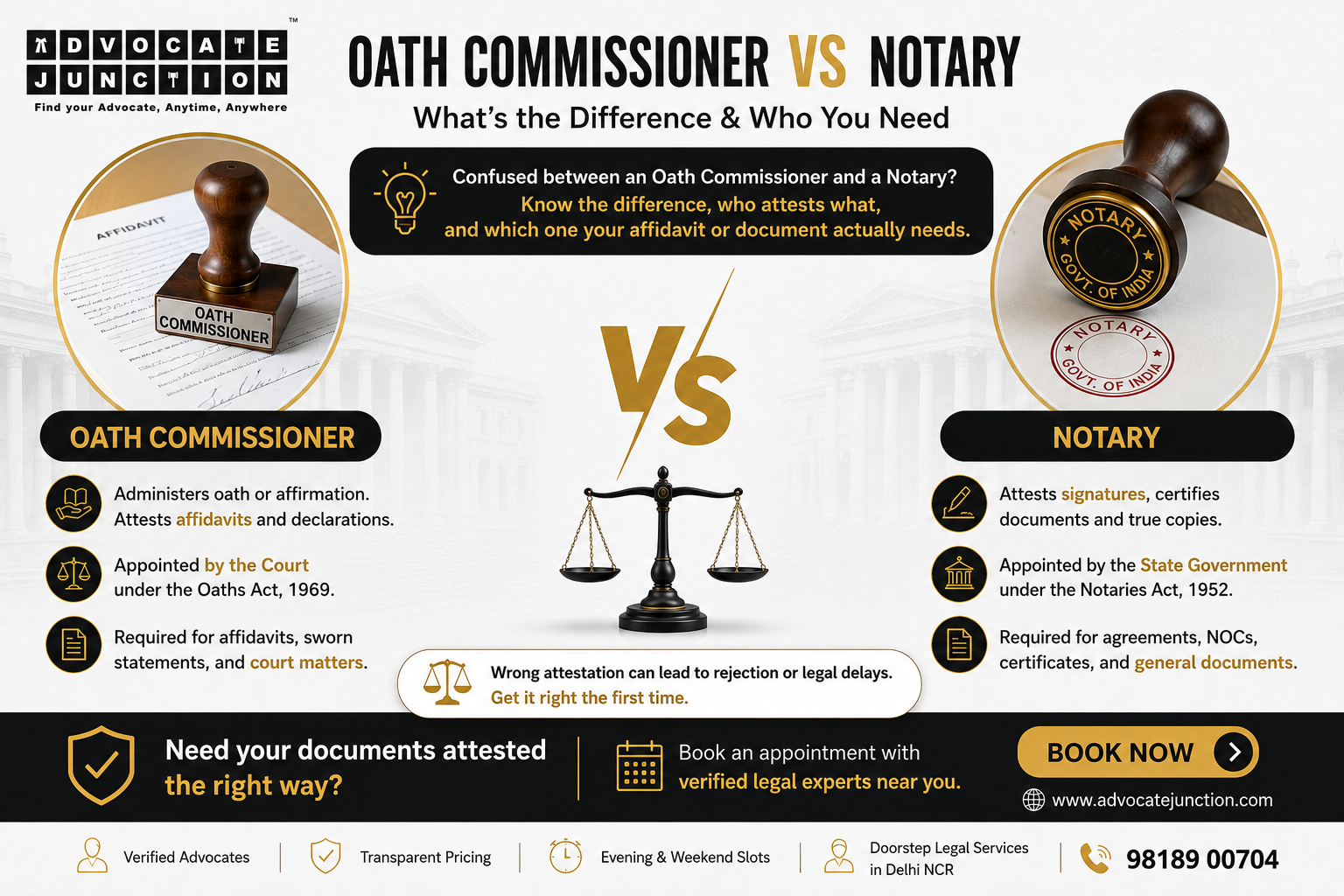
Oath Commissioner vs Notary: What’s the Difference and Who Do You Actually Need?

Confused about Oath Commissioner vs Notary? Learn the key differences, who attests what, and which one your affidavit or legal document actually needs. The Confusion That Gets Documents Rejected Someone hands you a form. It says the affidavit must be attested. You go to a lawyer’s stamp shop near the court, get a stamp, submit […]

Read More

Contract Law in India: What Makes an Agreement Legally Valid and Enforceable

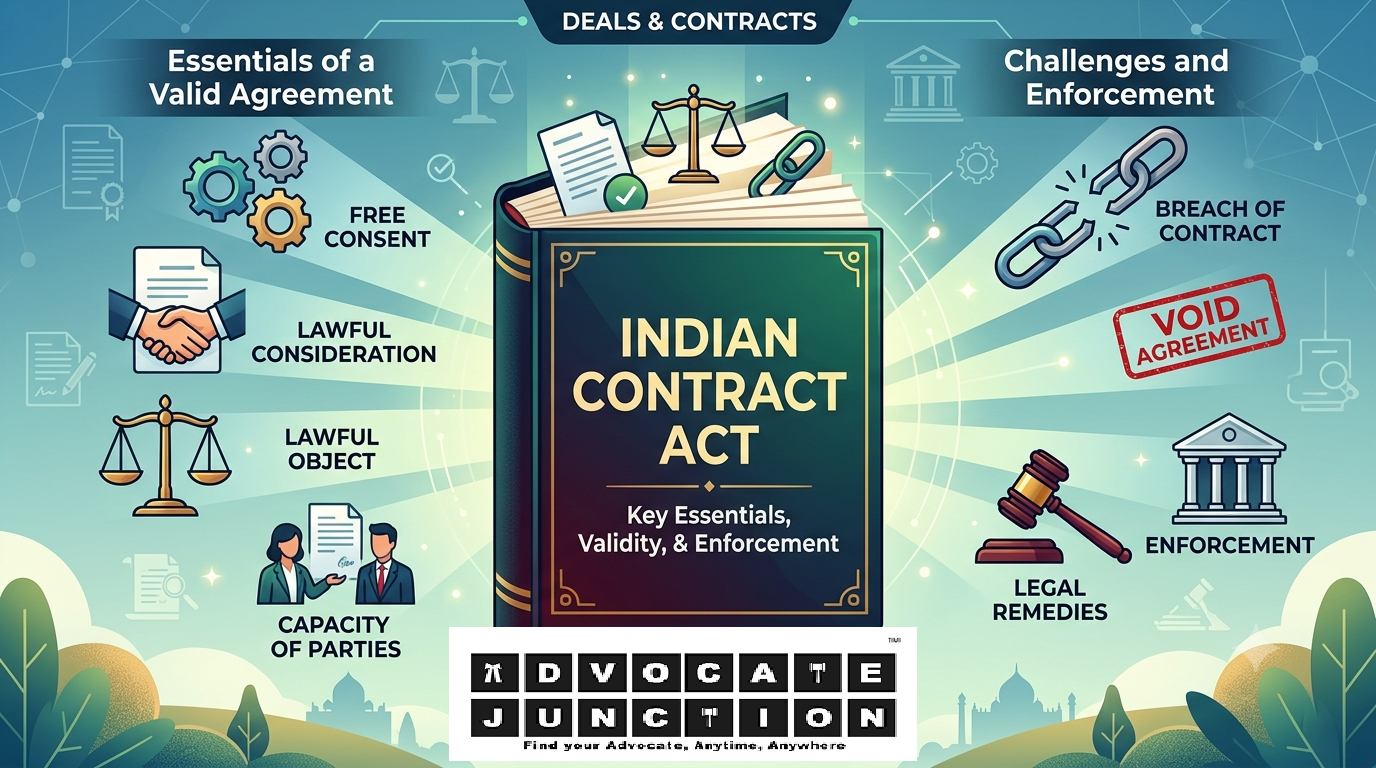
Understanding contract law in India — what makes an agreement legally valid and enforceable — can protect you from costly disputes in business and everyday dealings alike. Every Deal You Make is a Contract Most people think ‘contract’ means a thick document full of legal language, signed in a boardroom. In truth, you enter into […]

Read More

Sexual Harassment at Workplace: Your Rights and How to Complain Under the POSH Act

Sexual harassment at workplace, Indian law gives you a clear, protected right to complain — and your employer is legally bound to act on it. I hope most of people would have see the movie PINK. Amitabh Bachhan was playing a role of an advocate in this movie and he explained that if an women […]

Read More

How to File a Consumer Complaint in India: Get Refund, Replacement or Compensation

Knowing how to file a consumer complaint in India can turn a frustrating cheating experience into a refund, a replacement, or real compensation — often faster than you expect. Hotel Maurya Sheraton paid Rupees 25 Lakhs for a bad hair cut and it became possible because of Consumer’s rights in India. Cheated by a Company? […]

Read More

How to Get Bail in India: Types of Bail and the Process Explained

Knowing how to get bail in India — and acting fast — can mean the difference between your loved one coming home and spending weeks needlessly in custody. The Call No Family Wants — But Many Get Someone you love has been arrested, or is about to be. Your mind is racing. You do not […]

Read More

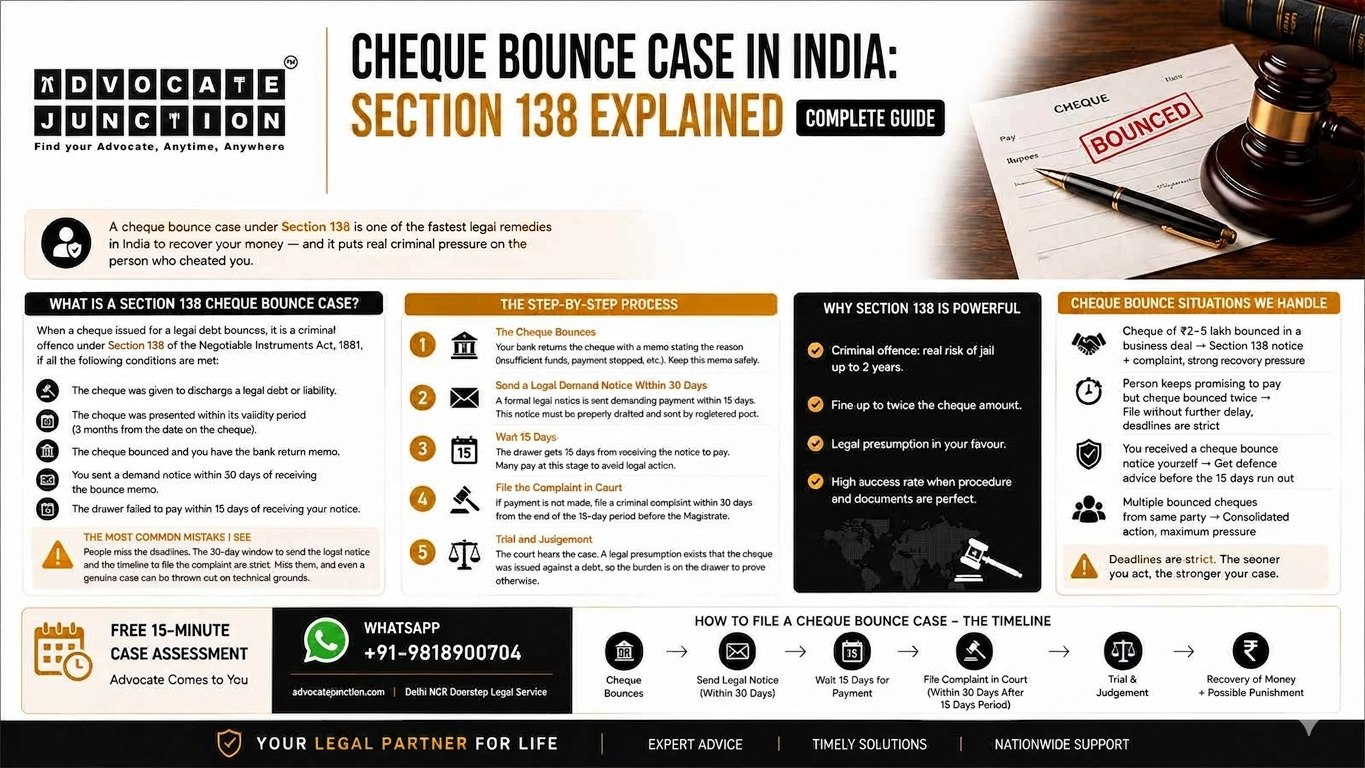
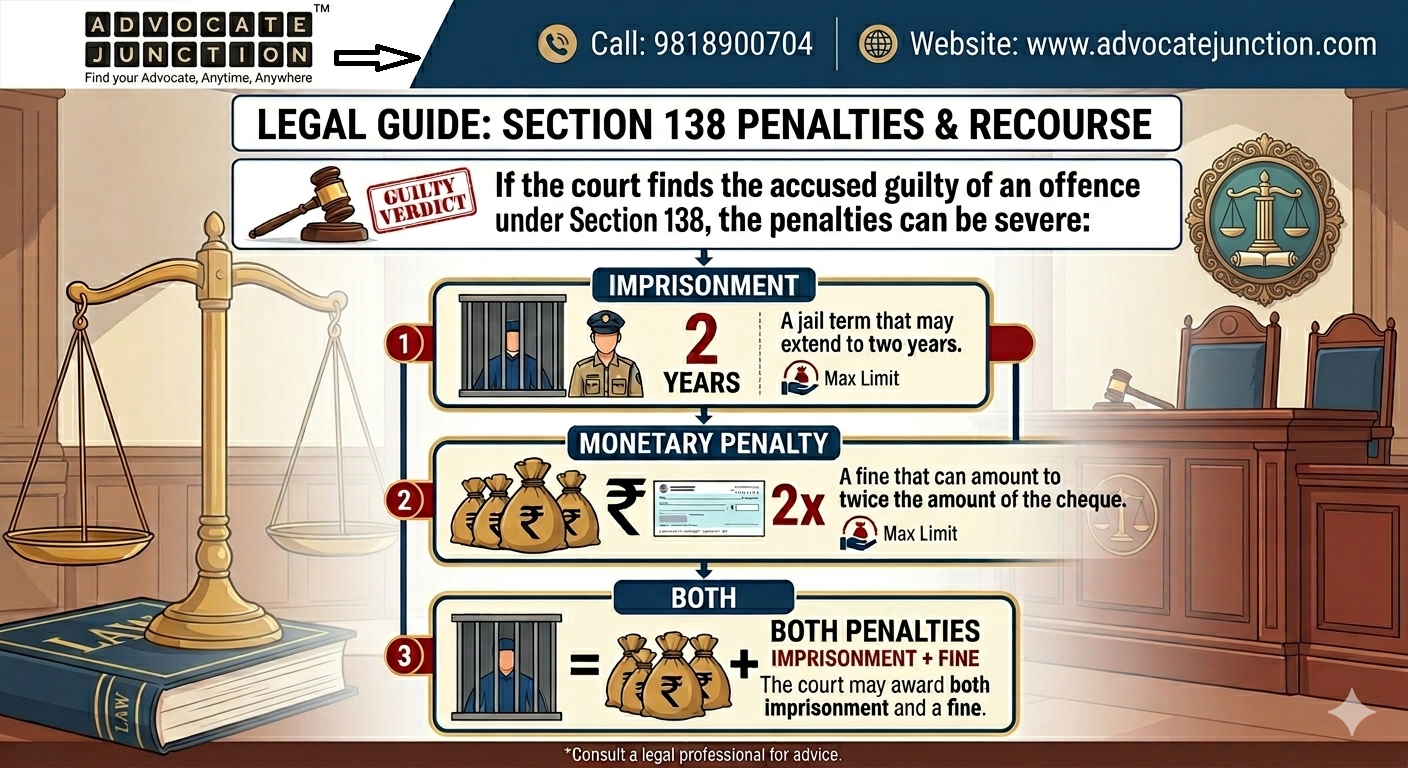
What is Section 138? Everything You Need to Know

A Cheque Bounce case under Section 138 is one of the fastest legal remedies in India to recover your money — and it puts real criminal pressure on the person who cheated you. Jail or Just a Fine? The Real Consequences of a Bounced Cheque When someone walks in holding a bounced cheque, the first […]

Read More

Is Watching Porn in India Illegal? Legal Position Under BNS, IT Act & Court Judgements

The question “Is watching porn illegal in India?” stands as one of the most frequently searched legal topics online across the country. Many citizens mistakenly believe that simply viewing adult content in the privacy of their homes can lead to immediate arrest. However, Indian jurisprudence draws a sharp, critical line between the private viewing of […]

Read More

Cheque Bounce is a Criminal Offence in India — Complete Legal Guide for 2026

Cheque Bounce is a Criminal Offence in India — You Can Face Jail, Fine and Criminal Trial Cheque Bounce Criminal Offence India is no longer just a banking issue. Under Section 138 of the Negotiable Instruments Act, cheque dishonour can lead to criminal prosecution, court summons, financial penalties, and even imprisonment.Many people in India still […]

Read More

NRI Cheque Bounce Case India: The Complete Legal Guide (2026)

Navigating an NRI cheque bounce case India requires a strategic legal approach, especially when managing financial interests from across the globe. For many Non-Resident Indians, a dishonoured cheque is more than a failed transaction; it is a significant legal hurdle that threatens investments in real estate, business ventures, or personal loans. Under Section 138 of […]

Read More